Forex trading platforms for beginners made simple
Forex trading platforms for beginners serve as essential tools that guide newcomers through the intricate world of foreign exchange trading. With the vast array of options available, selecting the right platform is crucial for facilitating a smooth entry into the market. This guide aims to provide insights into various trading platforms, exploring their key features, advantages, and the considerations beginners should keep in mind when making their choice.
Understanding Forex trading platforms is the first step in a trader’s journey, as these platforms not only provide access to the market but also offer the necessary tools for analysis, education, and execution of trades. By familiarizing oneself with the types and functionalities of these platforms, beginners can enhance their trading experience and lay a solid foundation for their future endeavors.
Introduction to Forex Trading Platforms
Forex trading platforms are sophisticated software applications that facilitate the buying, selling, and trading of currency pairs in the foreign exchange market. They serve as the gateway for traders, enabling them to execute trades, analyze market trends, and manage their accounts effectively. For beginners, selecting an appropriate trading platform is crucial, as it can significantly influence their trading experience and success in the forex market.Choosing the right forex trading platform is pivotal for newcomers, as it impacts their ability to access necessary tools, execute trades efficiently, and manage risk.
A well-suited platform can provide educational resources, analytical tools, and a user-friendly interface, which are particularly beneficial for those just starting. An understanding of common features found in these platforms helps beginners make informed choices tailored to their specific trading needs.
Common Features of Forex Trading Platforms
Various features are typical across forex trading platforms, each designed to enhance the trading experience. Understanding these features equips beginners to select a platform that aligns with their trading goals and provides the necessary tools for success. Below are some key features commonly found in forex trading platforms:
- User Interface: A clear and intuitive interface allows traders to navigate the platform effortlessly, which is especially important for beginners who may feel overwhelmed by complex systems.
- Charting Tools: Advanced charting capabilities enable traders to analyze price movements and trends, facilitating informed decision-making. This includes technical indicators and drawing tools to help visualize market dynamics.
- Order Types: The ability to execute various order types, such as market orders, limit orders, and stop-loss orders, provides flexibility and control over trading strategies.
- Mobile Compatibility: Many platforms now offer mobile applications, which allow traders to monitor markets and execute trades on-the-go, ensuring they never miss an opportunity.
- Demo Accounts: A demo account feature allows beginners to practice trading with virtual funds, offering a risk-free environment to learn and refine their skills without financial pressure.
- Educational Resources: Access to tutorials, webinars, and articles can significantly aid beginners in understanding trading concepts and strategies, enhancing their learning curve.
- Customer Support: Reliable customer support through various channels, such as live chat, email, or phone, is essential for addressing queries promptly and efficiently.
Incorporating these features into their trading practices can lead to a more productive and enjoyable trading experience for novices. Understanding these common attributes is a vital step towards making an informed choice in the selection of a trading platform.
Types of Forex Trading Platforms

Forex trading platforms are essential tools for traders looking to participate in the foreign exchange market. These platforms come in various forms, each offering unique features and functionalities that can cater to different trading preferences and styles. Understanding the distinctions among desktop, web-based, and mobile platforms is crucial for beginners to make informed decisions.Desktop platforms are installed directly onto a computer, providing robust features and advanced tools for serious traders.
These platforms often include comprehensive charting options, technical analysis tools, and the ability to run automated trading algorithms. Popular examples of desktop platforms include MetaTrader 4 (MT4) and MetaTrader 5 (MT5), both of which are widely used in the industry due to their extensive functionality and user-friendly interfaces.
Finding the right financial tools can be daunting, but exploring options such as instant approval credit cards can simplify the process. These cards offer a swift application procedure, ensuring that you receive a decision quickly, which is particularly beneficial for managing expenses. Similarly, for those looking to advance their education, pursuing an Online MBA for international students can provide the flexibility needed to balance studies and personal commitments while gaining valuable qualifications.
Web-Based Platforms
Web-based trading platforms operate through a web browser, allowing traders to access their accounts from any device with internet connectivity. They offer flexibility and ease of access, making them ideal for those who prefer not to download software. However, web-based platforms might not always provide the same level of functionality as their desktop counterparts. Examples include TradingView and the web versions of MetaTrader.The advantages of web-based platforms include:
- Accessibility from any device with a web browser, eliminating the need for downloads.
- Automatic updates and maintenance handled by the service provider.
- Lower resource requirements, allowing the platform to function smoothly on lower-end devices.
Disadvantages may include:
- Potentially limited features compared to desktop platforms.
- Dependence on internet stability; poor connectivity can affect performance.
- Security concerns if using public Wi-Fi or unsecured networks.
Mobile Platforms
Mobile trading platforms provide traders with the ability to manage their accounts and execute trades on-the-go through smartphones or tablets. These platforms generally offer streamlined versions of desktop and web-based platforms, focusing on essential features necessary for trading while ensuring a user-friendly experience. Popular mobile platforms include the mobile applications of MetaTrader 4 and 5, as well as broker-specific apps.The advantages of mobile trading platforms include:
- Convenience of trading anywhere, anytime, enhancing flexibility.
- Real-time notifications and alerts for market movements or price changes.
- User-friendly interfaces tailored for touch navigation.
Conversely, the disadvantages may be:
- Limited functionality and advanced features compared to desktop versions.
- Smaller screens may hinder complex analysis or detailed charting.
- Battery drain can be a concern during extended use.
In conclusion, each type of Forex trading platform has distinct advantages and disadvantages, and the choice ultimately depends on the individual trader’s needs, preferences, and trading styles. Evaluating these factors will assist beginners in selecting the most suitable platform to support their trading objectives.
Key Features to Look for in Beginner Platforms
When entering the world of Forex trading, selecting a suitable trading platform is crucial for success. A good platform can significantly simplify the trading process and enhance the overall experience for beginners. Key features to look for include an intuitive user interface, robust charting tools, and comprehensive educational resources that cater to novice traders. Additionally, security features must not be overlooked, ensuring the safety of funds and personal information.
User Interface and Usability
An effective user interface is essential for beginners, as it allows them to navigate the platform with ease. A well-designed platform should have an organized layout, making it straightforward to execute trades, access market analysis, and manage accounts. Key aspects to consider include:
- Intuitive Navigation: Clear menus and easily accessible tools help traders locate features without confusion.
- Mobile Compatibility: A responsive design enables trading on the go, which is essential for modern traders.
- Customization Options: The ability to tailor the interface to personal preferences can enhance user experience.
Charting Tools and Market Analysis
Charting tools are vital for analyzing market trends and making informed trading decisions. Beginners should seek platforms that offer:
- Advanced Charting Options: Multiple chart types (line, candlestick, bar charts) allow for comprehensive analysis.
- Technical Indicators: Features like moving averages, RSI, and MACD help traders assess market conditions.
- Real-time Data: Access to up-to-date market information is crucial for timely decision-making.
Educational Resources and Support
Educational support can greatly impact a beginner’s trading journey. Platforms that provide comprehensive resources contribute to the knowledge and confidence of new traders. Consider the following offerings:
- Tutorials and Webinars: Structured learning through video tutorials and live webinars can enhance understanding.
- Demo Accounts: Practicing with virtual funds allows beginners to develop skills without the risk of losing real money.
- Market Analysis and Insights: Access to expert analysis and daily market updates can inform trading decisions.
Security Features, Forex trading platforms for beginners
Safety is paramount in Forex trading, as traders need to protect their investments and personal data. Essential security features to look for include:
- Encryption Technologies: Platforms should utilize advanced encryption to safeguard sensitive information.
- Regulatory Compliance: Ensure the platform is regulated by reputable authorities, which adds a layer of security.
- Two-Factor Authentication (2FA): This provides an additional layer of protection against unauthorized access.
How to Choose the Right Forex Trading Platform
Selecting an appropriate Forex trading platform is crucial for both novice and seasoned traders. The right platform not only influences trading success but also affects the overall trading experience. Therefore, understanding one’s trading goals and styles is essential when evaluating different platforms.Considering your specific trading goals and styles is fundamental when choosing a Forex trading platform. Different traders have varying objectives, whether it be day trading, scalping, or long-term investing.
Each of these styles requires distinct features and tools. For instance, day traders often benefit from platforms that offer real-time data and advanced charting capabilities, while long-term investors may prioritize platforms that facilitate easy order execution and robust analytical tools.
Evaluation of Customer Support and Service
The quality of customer support provided by a Forex trading platform can significantly impact the trading experience. Reliable customer service ensures that traders can resolve issues promptly, minimizing disruptions in their trading activities. When assessing customer support, consider the following aspects:
- Availability: Customer support should be accessible 24/7, given that Forex markets operate continuously.
- Communication Channels: Look for platforms that offer multiple ways to contact support, whether through live chat, email, or phone.
- Response Time: Test the responsiveness of the support team to gauge how quickly they address inquiries.
- Knowledge and Expertise: Support staff should possess comprehensive knowledge of the platform and Forex trading to provide effective assistance.
Checklist for Beginners to Assess Potential Platforms
A thorough checklist can aid beginners in evaluating potential Forex trading platforms, ensuring that they meet essential criteria before making a decision. This structured assessment can help streamline the selection process.The following checklist includes key factors to consider:
- Regulatory Compliance: Verify whether the platform is regulated by a reputable authority, as this ensures a level of protection for traders.
- User-Friendly Interface: The platform should be intuitive and easy to navigate, especially for beginners.
- Trading Tools and Resources: Look for platforms that offer educational resources, market analysis, and trading signals to assist new traders.
- Fee Structure: Understand the commission, spreads, and any additional fees associated with trading on the platform.
- Account Types: Check if the platform offers various account options to cater to different trading styles and capital requirements.
- Demo Account Availability: A demo account allows beginners to practice trading without financial risk and assess the platform’s features.
Popular Forex Trading Platforms for Beginners
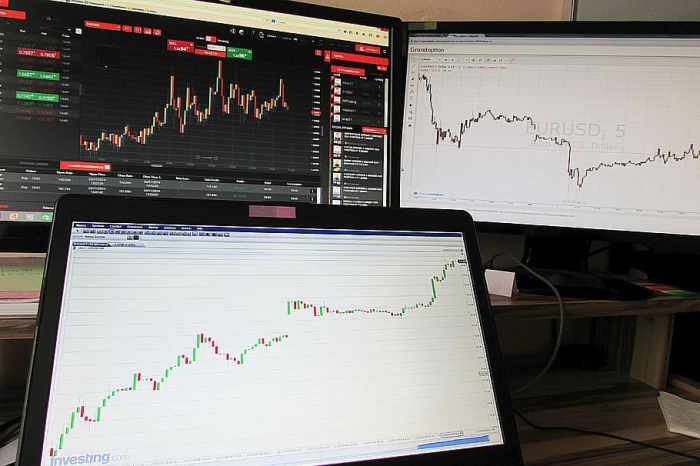
For individuals new to Forex trading, selecting the right trading platform is critical to ensuring a smooth and successful entry into the market. A beginner-friendly platform should not only provide essential trading tools but also a supportive learning environment and easy navigation. Here, we explore some of the most popular Forex trading platforms suitable for beginners, highlighting their unique features and user feedback.
Top Forex Trading Platforms
The following platforms have emerged as favorites among novice traders due to their user-friendly interfaces, educational resources, and supportive community features. Understanding the strengths of each can help beginners make informed decisions.
- MetaTrader 4 (MT4)
“The go-to platform for many traders worldwide.”
-User FeedbackMetaTrader 4 is renowned for its simplicity and robust functionality. It offers a wide range of technical analysis tools, automated trading capabilities through Expert Advisors (EAs), and a vast library of user-generated indicators. Beginners appreciate its intuitive layout and extensive online resources for learning.
- eToro
“Great for social trading and interacting with other traders.”
-User FeedbackeToro stands out with its unique social trading feature that allows beginners to mimic the trades of experienced investors. The platform is easy to navigate and offers a demo account for practice. Its educational content further helps beginners understand trading strategies and market dynamics.
- Forex.com
“Comprehensive platform with excellent research tools.”
-User FeedbackForex.com is particularly appealing for its extensive research and analysis features. It offers a user-friendly trading platform with a variety of educational resources such as webinars and tutorials. Additionally, it provides robust customer support and a demo account for practice.
- IQ Option
“User-friendly with a sleek design.”
-User FeedbackIQ Option is known for its modern interface and ease of use, making it perfect for beginners. The platform offers a wide range of assets to trade, including Forex, stocks, and cryptocurrencies. Its educational resources and community support further enrich the learning experience for novice traders.
- OANDA
“Ideal for beginners with its educational resources.”
-User FeedbackOANDA features a powerful yet accessible platform that provides a suite of tools for effective trading. It is particularly well-regarded for its educational content, including tutorials and market analysis, which help beginners build their trading knowledge. The platform also offers flexible account types catering to diverse trading styles.
Step-by-Step Guide to Getting Started

This section provides essential steps for beginners to navigate the world of Forex trading effectively. Understanding how to set up a demo account, make your first trade, and utilize platform tools can significantly enhance your trading experience and increase your chances for success.
Setting Up a Demo Account
A demo account is an invaluable tool for beginners to practice trading without risking real money. Setting it up typically involves a few straightforward steps:
1. Choose a Forex Broker
Research and select a reputable Forex broker that offers a demo account option. Verify their regulatory status and read reviews.
2. Visit the Broker’s Website
Go to the broker’s homepage and look for options that mention a demo account or free trial.
3. Fill Out Registration Form
Provide necessary details such as your name, email address, and phone number. Some brokers may require additional information.
4. Download Trading Platform
After registration, download the trading platform offered by the broker. Most brokers provide platforms such as MetaTrader 4 or
5. 5. Create Your Demo Account
Open the trading platform and create your demo account by entering the credentials you received via email. This account will simulate real trading conditions.
6. Start Practicing
Utilize virtual funds in the demo account to practice trading strategies and familiarize yourself with the platform’s features.
Making Your First Trade
Executing your first trade can be an exhilarating experience. Following a structured process can help alleviate any anxiety associated with trading:
1. Log In to Your Trading Platform
Enter your credentials to access your demo account.
2. Analyze the Market
Use tools such as charts and economic calendars to analyze currency pairs. Look for trends and price movements before making a decision.
3. Select a Currency Pair
Choose the currency pair you wish to trade, such as EUR/USD or GBP/JPY, based on your analysis.
4. Determine Trade Size
Decide how much you want to trade. Most platforms allow you to specify lot sizes (standard, mini, or micro).
5. Set Up Your Order
Click on the “New Order” button. Specify whether you want to place a market order or pending order, set your desired price, and include stop-loss and take-profit levels.
6. Execute the Trade
Confirm your order by clicking the “Buy” or “Sell” button. Monitor your trade and make adjustments as needed.
Using Platform Tools and Features Effectively
Leveraging the tools and features of your trading platform can enhance your trading outcomes. Familiarizing yourself with these functions is crucial:
Charting Tools
Utilize various chart types (line, bar, candlestick) to analyze market data, and apply technical indicators to aid in decision-making.
News Feed
Access the economic calendar and real-time news feed to stay informed about market events that may affect currency movements.
Risk Management Tools
Implement stop-loss and take-profit orders to manage risk effectively. Determine the maximum amount you are willing to lose on a trade before execution.
Trade Journal
Maintain a trade journal to record your trades, thoughts, and outcomes. This practice can help you learn from both successful and unsuccessful trades.
Practice Regularly
Spend ample time on the demo account before transitioning to live trading. Regular practice can build confidence and improve trading skills.By following these structured steps and utilizing the available tools effectively, beginners will be well-equipped to navigate their Forex trading journey successfully.
Common Mistakes Beginners Make
Many beginners entering the Forex trading world often fall victim to common pitfalls that can hinder their success and lead to financial losses. Understanding these mistakes is crucial in navigating the complexities of Forex trading platforms effectively. This section aims to highlight frequent errors related to platform selection and trading practices, along with strategies to maintain discipline and learn from setbacks.
Frequent Pitfalls When Choosing a Forex Trading Platform
Selecting the right Forex trading platform is paramount for success. Beginners often overlook critical aspects that may affect their trading experience. Awareness of these frequent mistakes can significantly enhance one’s trading journey.
- Ignoring Regulation and Security: Many beginners choose platforms based solely on features and fees, neglecting the importance of security and regulatory compliance. It is essential to verify that the platform is regulated by a recognized authority to ensure the protection of funds.
- Overlooking User Experience: A complicated interface can lead to mistakes in executing trades. Beginners should prioritize platforms that offer an intuitive and user-friendly design, which assists in reducing errors.
- Not Considering Fees and Spreads: Beginners may underestimate the impact of trading fees and spreads on their overall profitability. Understanding the cost structure of a platform is crucial to prevent unexpected expenses.
- Neglecting Customer Support: Inadequate customer support can be detrimental, especially for novices. Choosing a platform with robust customer service ensures assistance is readily available when needed.
Common Trading Errors on Platforms
Despite choosing the right platform, beginners frequently make trading errors that can jeopardize their investment. Recognizing these mistakes is vital for developing a successful trading strategy.
- Overtrading: Many beginners tend to trade excessively, motivated by the excitement of the market. This can lead to poor decision-making and increased transaction costs. It is crucial to set strict trading limits to maintain a disciplined approach.
- Chasing Losses: Attempting to recover losses through impulsive trades can lead to a downward spiral. Acknowledging losses and adhering to a well-defined trading plan is essential for maintaining financial health.
- Not Utilizing Stop Loss Orders: Failing to set stop-loss orders can result in significant losses. Beginners should always implement risk management strategies to limit potential downsides.
- Emotional Trading: Decisions based on emotions, such as fear or greed, can lead to irrational trading behavior. Maintaining a calm, analytical mindset is vital for long-term success.
Strategies for Maintaining Discipline and Learning from Mistakes
Developing discipline in trading is crucial for achieving consistent success. Adopting effective strategies can aid beginners in steering clear of common errors and fostering a learning mindset.
- Creating a Trading Plan: A comprehensive trading plan outlining goals, strategies, and risk management techniques can provide a structured approach, helping traders stick to their objectives.
- Keeping a Trading Journal: Documenting trades, including successes and failures, allows traders to identify patterns and learn from their experiences. This practice is instrumental in refining trading strategies.
- Setting Realistic Goals: Establishing achievable targets rather than aiming for quick profits helps in maintaining focus and prevents irrational decision-making.
- Regularly Reviewing Performance: Assessing trading performance periodically allows for adjustments to strategies and identifies areas for improvement, fostering continuous learning.
“Learning from mistakes is essential; the key is to recognize them and adjust your strategies accordingly.”
In today’s fast-paced financial landscape, instant approval credit cards have become increasingly popular due to their convenience and efficiency. They allow individuals to access credit without lengthy waiting periods. Alongside this, international students seeking to enhance their career prospects may find that enrolling in an Online MBA for international students offers the education and skills necessary to thrive in the competitive job market, all while accommodating diverse schedules.
Resources and Educational Tools
In the dynamic world of Forex trading, educational resources and tools play a critical role in empowering beginners. These resources offer valuable insights, strategies, and support, helping traders make informed decisions and navigate the complexities of the market effectively.Numerous platforms provide a wealth of educational materials ranging from articles and videos to webinars and interactive courses. Engaging with these resources can significantly enhance a trader’s understanding of Forex trading and its intricacies.
Available Educational Resources
A variety of educational resources are accessible across different Forex trading platforms. These resources cater to various learning preferences and can be instrumental in building a solid foundation for beginners. The following list highlights some common educational offerings:
- Webinars and Live Sessions: Many platforms host regular webinars featuring expert traders who share insights, strategies, and market analysis.
- Tutorial Videos: Short, informative videos cover fundamental concepts and practical trading techniques, making complex topics more digestible.
- Trading Guides and E-books: Comprehensive written materials that delve into various aspects of Forex trading, including technical and fundamental analysis.
- Market Analysis Reports: Regular reports that analyze market trends, economic indicators, and currency movements, aiding traders in their decision-making process.
- Demo Accounts: Several platforms offer demo accounts that allow beginners to practice trading in a risk-free environment using virtual funds.
Utilizing Online Forums and Community Discussions
Online forums and communities provide a platform for traders to share experiences, ask questions, and discuss strategies. Engaging in these discussions fosters a sense of camaraderie and collective learning among traders. Important points to consider when participating in online forums include:
- Learning from Others: Interacting with experienced traders can provide valuable insights and diverse perspectives on trading strategies and market conditions.
- Sharing Knowledge: Contributing to discussions allows traders to share their own insights and experiences, reinforcing their understanding and helping others.
- Networking Opportunities: Building relationships with fellow traders can lead to mentorship opportunities and partnerships that may enhance trading success.
- Staying Updated: Forums often serve as a hub for sharing the latest news and developments in the Forex market, ensuring traders remain informed.
Importance of Continuous Learning in Forex Trading
The Forex market is constantly evolving, influenced by a myriad of factors such as economic indicators, geopolitical events, and market sentiment. Thus, continuous learning is essential for traders to stay ahead and adapt to changing market conditions.Key aspects of continuous learning in Forex trading include:
- Regular Review of Trading Strategies: Adapting and refining trading strategies based on market performance and new insights can lead to improved results.
- Staying Informed about Market Trends: Keeping up with financial news and market analysis helps traders anticipate potential changes and make timely decisions.
- Participating in Advanced Training: Seeking out advanced courses or specialized training can enhance a trader’s skill set and understanding of complex trading concepts.
- Reflecting on Past Trades: Analyzing past trades—both successes and failures—provides valuable lessons and aids in personal growth as a trader.
“The market is a living entity; to succeed, one must continuously adapt and learn.”
Epilogue: Forex Trading Platforms For Beginners
In summary, choosing the right Forex trading platform is a pivotal decision for beginners, influencing both their learning curve and trading success. By evaluating various platforms based on essential features, support, and user feedback, traders can find a suitable match for their goals and preferences. As they embark on this exciting journey, continuous learning and proper utilization of available resources will empower them to navigate the Forex market with confidence.
Popular Questions
What is a Forex trading platform?
A Forex trading platform is software that allows traders to access the foreign exchange market, execute trades, and analyze price movements.
How do I choose the best Forex trading platform for beginners?
Consider factors such as user interface, educational resources, customer support, and security features when selecting a platform.
Can I trade Forex on my mobile device?
Yes, many Forex trading platforms offer mobile apps that allow you to trade on the go with full functionality.
Is there a cost associated with using Forex trading platforms?
Some platforms charge fees such as spreads or commissions, while others may offer commission-free trading but with wider spreads.
How important is demo trading for beginners?
Demo trading is vital for beginners as it allows them to practice trading strategies without risking real money.