Stock trading platforms with low fees for profitable investing
Stock trading platforms with low fees are essential for savvy investors looking to maximize their returns while minimizing costs. As the landscape of investment continues to evolve, these platforms have gained prominence, offering innovative solutions that cater to both novice and experienced traders. By understanding the significance of low fees, users can navigate the trading world more effectively and make informed decisions that enhance their financial success.
These platforms have transformed the way stock trading is approached, providing a range of features designed to facilitate seamless trading experiences. With a rich history of development and a commitment to improving user accessibility, the rise of low-fee trading options reflects a broader trend toward democratizing finance.
Overview of Stock Trading Platforms
The concept of stock trading platforms refers to online systems that facilitate the buying and selling of stocks and other securities. These platforms serve as intermediaries between individual investors and the financial markets, providing users with the tools necessary to execute trades, analyze market data, and manage their investment portfolios.Historically, stock trading platforms have evolved significantly from their inception. The early days of stock trading were dominated by physical exchanges where floor traders executed orders using hand signals and paper tickets.
The introduction of electronic trading in the late 20th century revolutionized this process, enabling users to trade through computers rather than relying on face-to-face interactions. As technology progressed, so too did the features offered by these platforms, leading to the sophisticated trading environments we see today.
Key Features of Stock Trading Platforms
Understanding the essential features of stock trading platforms is crucial for investors looking to optimize their trading experience. Key features include:
- User Interface: A clean, intuitive interface enhances user experience, making navigation more efficient.
- Market Data: Real-time data feeds provide traders with up-to-the-minute information on stock prices, market trends, and other relevant indicators.
- Order Types: Platforms typically offer various order types, including market, limit, and stop orders, enabling users to execute trades according to their strategies.
- Research Tools: Access to charts, technical analysis tools, and research reports help traders make informed decisions.
- Mobile Access: Many platforms provide mobile applications, allowing users to trade on the go, enhancing convenience and accessibility.
- Customer Support: Reliable customer service options, including live chat and phone support, are essential for resolving issues promptly.
These features collectively enhance the functionality of trading platforms, supporting a broad range of trading strategies and investor needs.
“A successful trade is not merely about the profit; it is about having the right tools and information to make informed decisions.”
As the landscape of stock trading continues to evolve, the integration of innovative technology and user-centric features remains paramount in the development and enhancement of stock trading platforms.
For those considering an advanced education, exploring dual degree MBA programs can be a prudent choice. These programs offer the unique opportunity to earn two degrees simultaneously, enhancing both knowledge and career prospects. As you contemplate your options, you might also want to look into investing, particularly by discovering the best robo-advisors for beginners , which can simplify the investment process and help you make informed financial decisions.
Importance of Low Fees in Trading
Trading fees play a crucial role in the overall profitability of investment strategies. They directly impact the returns that investors can achieve, making it essential to consider the fee structures of various trading platforms. As fees decrease, the potential for higher returns increases, allowing investors to retain more of their profits. In an environment where every basis point counts, low trading fees are not just advantageous; they can be a decisive factor in attracting and retaining users on trading platforms.Low fees can significantly enhance the appeal of trading platforms by enabling investors to execute trades more frequently without the worry of incurring substantial costs.
This can lead to increased trading volume and higher user acquisition, as traders are more inclined to select platforms that favorably position their cost structures. Furthermore, platforms with low fees can foster a competitive landscape, prompting other service providers to reevaluate and potentially lower their own fees, thereby benefiting the entire market.
Comparison of Fee Structures of Various Trading Platforms
When evaluating trading platforms, it is essential to consider their fee structures, which can vary widely. The following comparison highlights some common fee types and specific examples of how different platforms measure up in terms of cost efficiency:
- Commission Fees: Many brokers charge a fee for each trade executed. For instance, platforms like Robinhood offer commission-free trading, while traditional brokers may charge $5 to $10 per trade. This difference can greatly affect the overall profitability of an active trader.
- Account Maintenance Fees: Some platforms impose annual or monthly fees simply for maintaining an account. For example, Charles Schwab has no maintenance fees, while others like Fidelity charge account fees unless a minimum balance is maintained.
- Expense Ratios on ETFs and Mutual Funds: The fees associated with exchange-traded funds (ETFs) and mutual funds can impact long-term investment returns. Vanguard is known for its low expense ratios, often below 0.10%, compared to other companies that may charge up to 1% or more.
- Withdrawal Fees: Certain trading platforms charge fees for withdrawals. For example, eToro does impose withdrawal fees depending on the payment method, while others may allow free withdrawals under specific conditions.
The overall cost of trading can become a significant factor in determining the success of an investment strategy. For instance, an investor who trades frequently may end up paying thousands of dollars in fees over several years, substantially reducing their net returns. Consequently, selecting a trading platform with low fees can result in more capital being available for reinvestment and growth.
“The difference in fees can mean the difference between significant profits and mediocre returns over time.”
Types of Fees Associated with Trading Platforms
Trading platforms often impose various fees that can significantly impact an investor’s overall trading costs. Understanding these fees is essential for traders seeking to optimize their investment strategies. This section elaborates on the different types of fees associated with trading platforms, their implications, and examples of platforms that exemplify various fee structures.
Commission Fees
Commission fees are charges imposed by trading platforms for executing buy or sell orders. These fees can vary widely depending on the platform and the specific financial instrument being traded. In some cases, platforms offer commission-free trading, particularly for stocks, while others may charge a fixed fee per trade or a percentage of the trade value.
- For instance, platforms such as Robinhood and Charles Schwab offer commission-free trading on stocks and ETFs, making them attractive options for cost-conscious traders.
- Conversely, traditional brokerage firms like E*TRADE and Fidelity may charge commission fees ranging from $4.95 to $9.95 per trade, which can accumulate substantially for frequent traders.
Spread Fees, Stock trading platforms with low fees
The spread refers to the difference between the buying price (ask price) and the selling price (bid price) of a security. Trading platforms often earn revenue through the spread, which can be particularly pronounced in forex and CFD trading. This fee type can be a hidden cost, as it is not always explicitly stated.
When starting your investment journey, understanding the best robo-advisors for beginners is essential. These platforms provide automated financial advice tailored to your needs, making it easier to manage your portfolio. In tandem with investment education, pursuing a dual degree MBA program can significantly enhance your understanding of complex financial markets and business strategies, further empowering your financial decisions.
- For example, a trading platform with a spread of 2 pips on a currency pair means that a trader must pay an additional 2 pips to open a position compared to the price they would receive if selling.
- Platforms like IG and OANDA provide competitive spreads, but it is crucial for traders to be aware of these costs when assessing their overall trading profitability.
Inactivity Fees
Inactivity fees are charges applied by trading platforms if there is no trading activity within a specified period, often ranging from six months to a year. These fees can penalize traders who prefer a long-term investment strategy or those who may not trade frequently.
- For example, platforms such as Ally Invest impose an inactivity fee of $0 for accounts with no trades for a year, while others like Tradestation may charge a fee for dormant accounts.
- Understanding the inactivity policy of a platform is vital, especially for investors who may not engage in regular trading.
Other Fees
In addition to the aforementioned fees, trading platforms may impose various other charges that could affect overall trading costs. These include account maintenance fees, withdrawal fees, and data subscription fees for premium market data.
- For instance, some platforms like Interactive Brokers charge a small monthly fee if account balances fall below a minimum threshold, while others may offer free withdrawals but impose fees for specific payment methods.
- It is essential for traders to read the fine print regarding such fees to avoid unexpected costs.
“The cumulative effect of trading fees can significantly reduce an investor’s profit margins.”
Understanding the diverse range of fees associated with trading platforms allows traders to make informed choices, ultimately leading to a more efficient trading experience.
Best Stock Trading Platforms with Low Fees

Finding a stock trading platform with low fees is crucial for maximizing investment returns. Traders and investors can save significant amounts by choosing platforms that minimize costs associated with trading. Below, we explore some of the top stock trading platforms recognized for their low fees and the distinct features that enhance their appeal to users.
Top Stock Trading Platforms Overview
The following table highlights various stock trading platforms that are notable for their low fees, along with specific features that make each platform attractive to traders:
| Platform | Commission Fees | Account Minimum | Key Features |
|---|---|---|---|
| Robinhood | Zero commission | $0 | Easy-to-use mobile app, real-time market data, commission-free trades. |
| Webull | Zero commission | $0 | Advanced charting tools, technical indicators, and extended trading hours. |
| TD Ameritrade | Zero commission | $0 | Robust trading platform, educational resources, and research tools. |
| Fidelity | Zero commission | $0 | Comprehensive investment options, retirement planning tools, and research reports. |
| Charles Schwab | Zero commission | $0 | Extensive investment options, personalized advice, and financial planning services. |
This table organizes the most prominent trading platforms with low fees, allowing users to easily compare attributes that are important for their trading strategies. Each platform listed not only provides low or zero commissions but also offers unique features that cater to different types of traders, from beginners to advanced users.
“Choosing a trading platform with low fees can significantly enhance your overall investment returns by minimizing trading costs.”
Evaluating Trading Platforms: Stock Trading Platforms With Low Fees
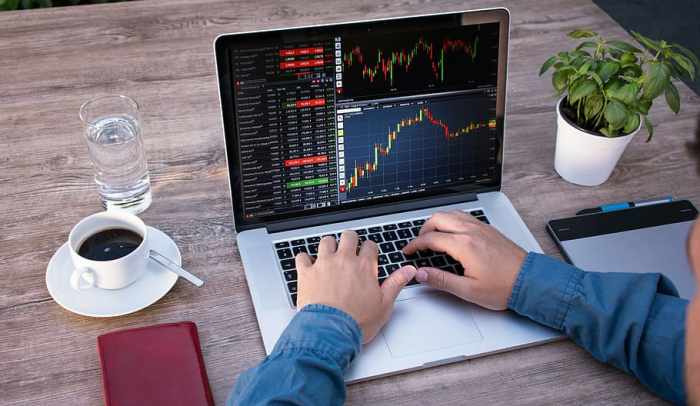
When selecting a stock trading platform, it is crucial to assess various factors that can significantly affect your trading experience and overall profitability. An effective trading platform should not only meet your specific trading needs but also provide a seamless user experience, which is essential in today’s fast-paced financial markets. Understanding key evaluation criteria will enable traders to make informed decisions tailored to their investment strategies.The user interface and overall experience of a trading platform are paramount to its effectiveness.
Platforms that offer intuitive navigation, customizable layouts, and responsive design can greatly enhance a trader’s ability to execute trades efficiently and monitor market conditions effectively. An engaging user experience fosters confidence and encourages timely decision-making, which can lead to improved trading outcomes.
Criteria for Choosing a Trading Platform
Identifying the right trading platform involves considering a variety of criteria. Below are essential factors to evaluate when choosing a trading platform:
- Fee Structure: Analyze the commission rates, spreads, and any additional fees such as withdrawal or inactivity fees. A competitive fee structure is vital for maximizing your returns.
- Available Assets: Ensure the platform offers a diverse range of investment options, including stocks, ETFs, options, and cryptocurrencies, to align with your trading strategy.
- Research and Analysis Tools: Robust analytical tools and access to research reports can empower traders to make informed decisions based on market trends and data.
- Customer Support: Reliable customer support is essential for resolving any issues. Check if the platform offers multiple support channels, including live chat, email, and phone support.
- Mobile Accessibility: A user-friendly mobile app allows for trading on the go, which is increasingly important for today’s mobile traders.
- Security Features: Assess the platform’s security measures, including two-factor authentication and encryption protocols, to ensure the safety of your funds and personal data.
User Experience and Interface Importance
A well-designed trading platform is a crucial element that can significantly influence a trader’s performance. An effective user interface should allow for easy navigation, quick access to trading tools, and responsive design for both desktop and mobile views. Traders benefit from features such as customizable dashboards, real-time data updates, and straightforward order placement processes. The importance of user experience extends beyond aesthetics; it directly impacts trading success.
A platform that minimizes complexity and enhances usability can help traders react swiftly to market changes, reducing the likelihood of missed opportunities or costly errors.
Checklist for Evaluating Cost-Effectiveness
Evaluating the cost-effectiveness of a trading platform is essential to ensure that trading expenses do not erode profits. Below is a checklist to assist in this evaluation:
- Comprehensive Fee Review: List all applicable fees and charges associated with the platform, including trading commissions, account maintenance fees, and withdrawal fees.
- Comparison with Competitors: Compare the identified fees against those of other leading platforms to determine competitiveness.
- Fee Transparency: Ensure the platform provides clear and accessible information about all fees to avoid unexpected charges.
- Freemium Options: Look for platforms offering commission-free trading or promotional periods with reduced fees, which can enhance cost-effectiveness.
- Value of Services Offered: Assess whether the fees correlate with the quality of services provided, such as advanced trading tools, educational resources, and customer support.
“Choosing the right trading platform involves understanding the total cost of trading, which includes both direct fees and the value derived from the platform’s features and services.”
User Reviews and Experiences
In the competitive landscape of stock trading platforms, user feedback plays a crucial role in understanding the practical implications of utilizing low-fee services. By analyzing testimonials and reviews, potential customers can gauge the effectiveness and efficiency of various platforms, allowing them to make informed decisions tailored to their trading preferences.Users of low-fee trading platforms have shared a wealth of experiences that highlight both the advantages and disadvantages of these services.
Understanding the sentiments expressed by users provides valuable insights into what to expect when choosing a trading platform.
User Testimonials
The following testimonials from users reflect key advantages and disadvantages commonly associated with low-fee trading platforms:
-
“The low fees have significantly improved my profitability. I can execute more trades without worrying about high commissions eating into my gains.”
-
“I appreciate the user-friendly interface and responsive customer service. It makes trading less intimidating for beginners.”
-
“I often encounter limited research tools compared to higher-fee platforms. This can make it challenging to make informed decisions.”
-
“The mobile app is excellent for on-the-go trading, but it sometimes lacks advanced features available on the desktop version.”
The feedback gathered from users emphasizes a few consistent themes. The advantages often highlight the cost-effectiveness and accessibility of low-fee platforms, while the drawbacks generally concern the limitations in research tools and advanced features.
Common Advantages and Disadvantages
Understanding user experiences also involves recognizing the prevalent advantages and disadvantages as voiced by the trading community.
- Advantages:
- Lower trading costs leading to higher overall returns.
- Accessible and intuitive interfaces that cater to both novice and experienced traders.
- Strong mobile applications that enable trading from anywhere.
- Rapid account setup and funding processes.
- Disadvantages:
- Limited research and analytical tools compared to more established platforms.
- Customer support may sometimes be less responsive during peak trading hours.
- Potential for unexpected fees related to specific services, such as wire transfers.
- Fewer educational resources available for new traders.
This structured feedback enables prospective users to weigh the benefits against the potential drawbacks, facilitating a more tailored selection of a trading platform that aligns with their financial goals and trading style.
Future Trends in Stock Trading Fees
The landscape of stock trading fees is continuously evolving, driven by advancements in technology, changing market dynamics, and regulatory shifts. As investors become more cost-conscious and the competition among trading platforms intensifies, emerging trends are reshaping the way fees are structured and perceived in the trading world. This section explores the potential future trends in stock trading fees while identifying how technology and regulatory changes may impact these costs.
Emerging Trends in Trading Fees and Platforms
The trend toward reducing trading fees has gained significant momentum. A shift toward zero-commission trading models has been observed, where platforms eliminate commissions to attract users. This is particularly evident in app-based platforms that cater to a younger, tech-savvy demographic. Several factors are contributing to this evolution:
- Increased Competition: As more platforms enter the market, competition drives down fees, fostering a landscape where trading services are increasingly affordable.
- Brokerage Innovations: The rise of fintech startups is prompting traditional brokerages to adapt by lowering fees or implementing commission-free models.
- Passive Investing Growth: The popularity of index funds and ETFs has led to a focus on reducing fees, appealing to passive investors seeking cost-effective options.
Impact of Technology on Trading Costs
Technology is a primary driver of reduced trading costs, influencing the operational efficiencies of trading platforms. Automation and algorithmic trading have minimized the manual processes that traditionally incur costs. Key technological advances include:
- Artificial Intelligence: AI algorithms enable platforms to optimize trading strategies, resulting in lower transaction costs and improved execution.
- Blockchain Technology: The adoption of blockchain is promising to streamline transactions, reducing fees associated with clearing and settlement.
- Data Analytics: Enhanced data analytics tools allow platforms to offer personalized services at reduced costs, enhancing user experience while maintaining efficiency.
Potential Regulatory Changes Affecting Trading Fees
Regulatory environments continuously evolve, impacting trading fees and practices. Anticipated shifts in regulations may focus on transparency and fairness in fee structures, potentially redefining how trading costs are presented to investors.Considerations include:
- Increased Disclosure Requirements: Regulators may mandate clearer disclosure of all fees, allowing investors to make more informed decisions.
- Fair Trading Practices: Regulations aimed at preventing predatory practices by brokerages could lead to fairer fee structures.
- Impact of Consumer Protection Laws: Enhanced consumer rights could result in stricter regulations on commission fees, further driving down costs.
In summary, the future of stock trading fees is likely to be characterized by continued reductions driven by technological advancements and increased competition, coupled with evolving regulatory frameworks aimed at promoting transparency and fairness in the marketplace.
Tips for Reducing Trading Costs
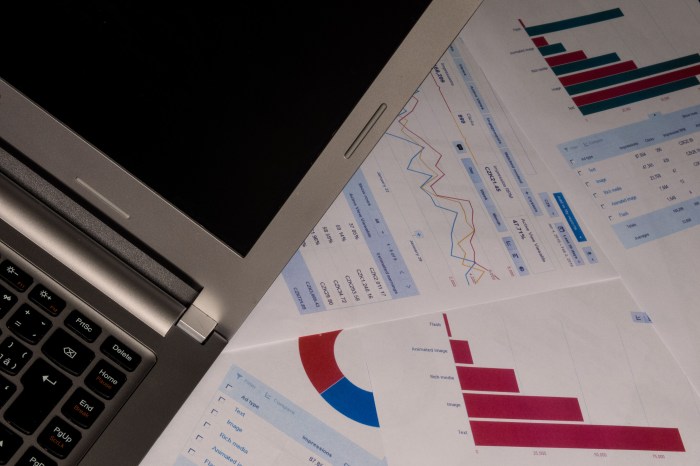
Minimizing trading costs can significantly enhance overall investment returns. Traders need to be strategic in their approach to reduce various fees associated with stock trading platforms. By employing a few effective strategies, investors can make their trading experience more efficient and cost-effective.Monitoring trading costs is crucial for long-term profitability. By being aware of the different types of fees charged and taking advantage of available discounts, traders can optimize their trading strategies to save money.
Here are some practical tips to reduce trading costs:
Strategies for Minimizing Trading Fees
Understanding the structure of trading fees is fundamental to reducing them. Various strategies can be employed to minimize these costs effectively:
- Choose a Commission-Free Trading Platform: Many platforms now offer commission-free trades for stocks and ETFs. Selecting such a platform can significantly reduce your trading expenses.
- Utilize Limit Orders: Instead of market orders, using limit orders can help you control the price at which you buy or sell an asset, avoiding slippage costs.
- Be Mindful of Trade Frequency: Frequent trading can lead to higher costs in commissions and spreads. Developing a longer-term investment strategy can reduce transaction frequency.
Utilizing Promotions and Discounts Offered by Trading Platforms
Many brokerage firms offer promotions and discounts to attract new customers or retain existing ones. Leveraging these offers can provide additional savings:
- Sign-Up Bonuses: Some platforms offer cash bonuses for opening an account and funding it with a specific amount. This can provide a direct reduction in your overall trading costs.
- Referral Programs: Platforms may have referral programs that reward you for bringing new clients. Earning these rewards can help offset trading fees.
- Seasonal Promotions: Keep an eye out for seasonal or limited-time promotions that may offer reduced fees or free trades for a certain period.
Importance of Monitoring and Adjusting Trading Strategies for Cost Savings
Regularly assessing and adjusting trading strategies can lead to substantial savings over time. Continuous evaluation helps in identifying areas where costs can be minimized:
- Track Trading Costs: Keeping an accurate record of all trading fees incurred will help in assessing the effectiveness of your current trading strategy.
- Analyze Performance: Compare your trades’ performance against the fees incurred to determine if your strategy is cost-effective.
- Adjust Trading Approach: Be flexible and willing to modify your trading tactics based on performance metrics to ensure that costs remain low while achieving desired returns.
Implementing these strategies can lead to a more profitable trading experience by significantly lowering trading costs.
Outcome Summary
In conclusion, the exploration of stock trading platforms with low fees highlights the importance of cost-effectiveness in trading strategies. By leveraging the right tools and understanding the fee structures, investors can significantly enhance their trading outcomes. As the market continues to evolve, staying informed about emerging trends and maximizing available resources will be key to achieving financial goals.
User Queries
What are stock trading platforms?
Stock trading platforms are online services that allow users to buy and sell stocks and other securities through digital interfaces.
How do low fees benefit traders?
Low fees reduce the overall cost of trading, allowing more of the investment’s returns to remain with the investor.
What types of fees should I be aware of?
Common fees include commissions, spreads, and inactivity fees, all of which can affect the total cost of trading.
Are there any risks associated with using low-fee platforms?
While low fees are attractive, traders should ensure that the platform also provides adequate support, security, and features to meet their needs.
Can I trade fractional shares on low-fee platforms?
Many low-fee platforms do offer the ability to trade fractional shares, making it easier for investors to diversify their portfolios.